
Co-Occurring Rehab Program in New Jersey
Living with addiction is difficult, especially when underlying mental health symptoms are involved. Facing both of these challenges at the same time is common and requires a combined approach to care. At BlueCrest Counseling Center, our dual diagnosis program helps you overcome dependence on substances while actively managing your mental health.
When you stay in our supportive housing in New Jersey, our clinical team builds a treatment plan tailored specifically to you. Through proven therapies in a safe environment, you will learn to recognize your triggers, rebuild family relationships, and step into a healthy future.
Learn more about our rehab treatment programs in New Jersey by calling 888.477.8941 today.
What Are Co-Occurring Disorders?
Co-occurring disorders happen when you face a mental health condition and a substance use challenge at the exact same time. Because these two conditions constantly reinforce one another, managing them without professional help can feel impossible. By choosing to stay in our supportive housing, you give yourself the time and safe space required to finally break this cycle.
Many people initially turn to drugs or alcohol to cope with difficult emotions. Over time, this creates a pattern where you actually feel worse when you try to stop. This cycle builds a physical and mental dependence that can quickly threaten your career, your relationships, and your overall well-being.
In other cases, a substance use problem begins first and eventually leads to new mental health struggles like depression or anxiety. No matter which came first, treating both conditions at the exact same time in a secure environment free from outside distractions is the most proven way to help you regain control of your life.

Our New Jersey Co-Occurring Rehab Treatment Program
BlueCrest’s co-occurring program combines supportive housing with clinical treatment for those managing both substance use and mental health concerns. While staying in one of our structured, substance-free environments, you will learn how the two conditions affect one another and develop practical ways to manage both. The primary mental health concerns addressed through this program include:
Anger Management
Anxiety Treatment
Depression Treatment
Trauma Therapy
Life in Recovery Starts Here
At BlueCrest, you will work with mental health professionals who use therapies supported by research. Treatment will help you better understand your symptoms, recognize unhealthy patterns, and develop practical ways to manage challenges and move forward.
Learn more and get started today by calling 888.477.8941 or contacting us online.
Our Evidence-Based Therapies
During your time with us, your personalized treatment plan will feature a mix of proven therapies chosen specifically to guide your recovery. Some of the methods our clinical team uses include:
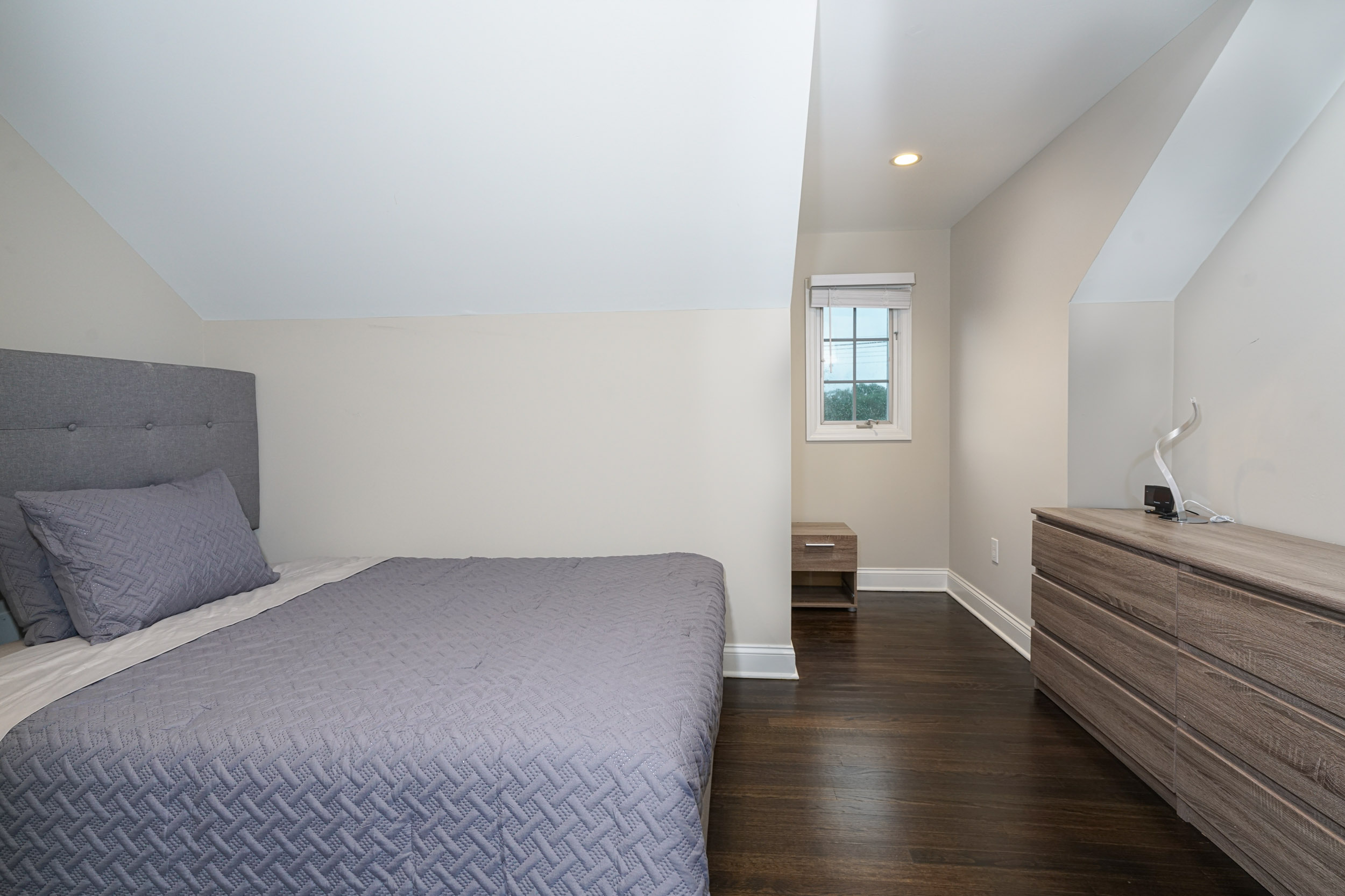
It can be difficult to focus on treatment when you are also managing the demands of everyday life. At BlueCrest, we offer supportive housing that gives you a stable place to stay while you participate in scheduled treatment. This added structure can help you establish a consistent routine, step back from daily pressures, and give your recovery the attention it needs.
Co-Occurring Rehab Services at BlueCrest Counseling Center
Managing both mental health symptoms and substance use can feel difficult when each one affects the other. Our co-occurring program uses therapies supported by research to help you understand those connections, recognize patterns, and make healthier decisions that support your recovery.
Learn more and get started today by calling 888.477.8941 or contacting us online.
CONTACT BlueCrest REHAB
Start Your Recovery and Healing Journey
Here at BlueCrest, you can stay in our supportive housing while following a treatment plan built around your mental health and substance use needs. With consistent clinical care, daily structure, and ongoing support, you can develop the skills and routines needed to continue your recovery.
Call us today to learn more about our services!
Start Your Journey Today (888) 477-8941
TESTIMONIALS
Restoring Lives with Compassionate Care
Our dedicated team provides compassionate care, guiding each individual on a personalized journey to rediscover themselves and reclaim their lives.
 Posted on Google
 mike franklin
Trustindex verifies that the original source of the review is Google.
This has been such an amazing beneficial program. I recommend it to anyone. From the office staff to the clinicians, they all are so helpful, down to earth, willing to listen when you need them, as well as helpful in the aftercare planning process.Posted on Google Fer CarriónHighly recommended. The professionalism and attention they provide is very efficient. The service I received exceeded my expectations.Posted on Google
 Joseph DealesandroBlue Crest has been great. Very helpful in teaching the necessary tools for coping with any type of mental disorder or addiction. Would recommend to anyone in need.Posted on Google
 Shohan RahmanBlueCrest is a great facility for personal mental health and more. The staff is fantastic, sessions are great, and the overall content truly helps with coping skills to help with anxiety, stress, addiction, and more. I utilize tools that I have learned from here and continue to help others, as well as those around me based on the knowledge they provide. Their content also helps me with my day to day at work with valuable insights that are transferable.Posted on Google
 Tim BruunBlueCrest Counseling Center saved my life from day one at BlueCrest Detox through the Recovery Center and now the Counseling Center. I have been treated like family... so much patience, support, and love. I came here with only the clothes on my back and they also got me everything I needed clothing wise. I have never felt as accepted and loved as I do at BlueCrest.Posted on Google
 ADELE KANEI've been to 3 other rehabs and relapsed after a week each time. I felt hopeless and didn't feel that I would ever get clean- it seemed impossible! BlueCrest seriously saved my life. The staff actually care and do everything in their power to make us comfortable and safe. The house is beautiful and feels like a safe place. The staff creates an environment of unity and commradery. The groups they run are so helpful. I've become mentally stable and have faced my addiction head on thanks to the amazing staff. I absolutely recommend BlueCrest if you're struggling with addiction and a mental malady. Thank you BlueCrest!Posted on Google
 Lesley JohnsonBlueCrest Counseling has been a lifesaver to me. Not only is the center beautiful and comfortable, the house is amazing! The therapists have been not only kind but effective and shown their care and concern in an authentic way. I will be leaving soon and I will miss this place tremendously. They have helped me turn my life around as I worked to become addiction free. In closing, all I can say is that I am very grateful for this opportunity to heal. I definitely recommend BlueCrest to anyone who needs some help getting healthy!Posted on Google
 Krazy KidI truly enjoyed my time at this center, and I appreciate the entire staff for all they’ve done for me. The clinicians, as well as the entire staff, vouched to make sure that me and my peers’ needs were accommodated, and made sure all problems were addressed quickly. The housing staff is very nice, and I felt free to talk to anyone about what was bothering me, with assurance that I would receive help. I can honestly say that my time spent here has improved my mental health drastically, and I couldn’t recommend this recovery center more to anyone seeking help.Posted on Google
 ronald tyburczyI started attending Bluecrest a month ago and find it extremely helpful in my recovery. I look forward to attending and am grateful for the support I have established.
Frequently Asked Questions
A co-occurring disorder, also called a dual diagnosis, refers to the simultaneous presence of a mental health condition and a substance use disorder. These two conditions frequently reinforce one another: mental health symptoms can drive substance use as a form of coping, and prolonged substance use can worsen or trigger mental health conditions. When treated in isolation, one condition can undermine progress in the other. Integrated, simultaneous treatment leads to better and more stable outcomes.
BlueCrest’s Co-Occurring Program is built around integrated care, addressing both the mental health condition and the substance use disorder within a single coordinated treatment plan. Rather than referring clients to separate programs, our clinical team manages both tracks simultaneously. Evidence-based therapies including CBT, DBT, and person-centered therapy are used to address both dimensions of each client’s experience.
The Co-Occurring Program addresses anxiety disorders, depression, trauma and PTSD, anger management needs, and other mental health conditions that commonly co-occur with substance use. Our team designs personalized treatment plans that account for the specific mental health challenges each client faces alongside their substance use history.
Yes. BlueCrest’s co-occurring treatment is delivered through its outpatient programs, including the Evening IOP for clients whose primary concern is substance use alongside a mental health condition. Clients attend sessions and return home each evening, allowing them to maintain work, family, and other daily responsibilities throughout treatment.
One of the most common reasons treatment does not hold is that only one condition is addressed at a time. If the underlying anxiety or trauma driving substance use is never treated, the addiction tends to resurface. BlueCrest’s integrated approach directly addresses this gap, working on both conditions at once so neither is left to undermine progress in the other. Every client also receives a personalized plan, not a one-size-fits-all protocol.
Treatment begins with a thorough clinical assessment of your addiction, mental health history, family background, and personal circumstances. This assessment guides the development of your personalized treatment plan, which identifies which therapies and services will be most beneficial for your specific combination of conditions and goals.